Mohammed M.

Designing a Zero Trust Apple Device Architecture

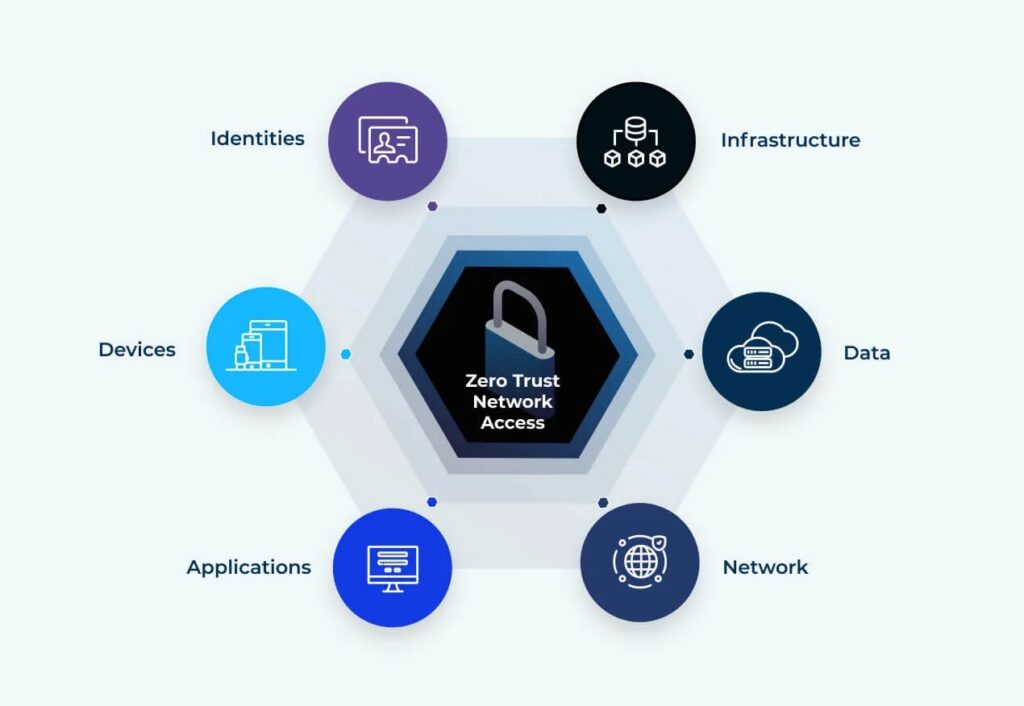
The concept of “trust no one, verify everything” has moved from cybersecurity buzzword to business imperative. For organizations managing Apple devices at scale, implementing Zero Trust isn’t just about checking compliance boxes—it’s about fundamentally rethinking how devices, users, and data interact across your enterprise. I’ve spent considerable time working with organizations transitioning their Apple device […]

Designing a Zero Trust Apple Device Architecture Read More »

Bridging Windows and macOS: Enterprise Identity Integration Strategies

If you’ve been managing Apple devices in a traditionally Windows-dominated enterprise, you know the identity challenge all too well. Your Windows infrastructure is humming along with Active Directory, Group Policies, and seamless authentication. Then someone in leadership decides the company needs to support Macs, and suddenly you’re facing questions about how these devices will authenticate,

Bridging Windows and macOS: Enterprise Identity Integration Strategies Read More »

Beginner Guide: Apple Intelligence in Enterprise – Privacy Architecture and MDM Control Mechanisms

When Apple Intelligence launched across iOS 18, iPadOS 18, and macOS 15, it brought enterprise IT teams a new challenge: how do you manage AI capabilities that fundamentally change how users interact with corporate data? The good news is that Apple built this system with enterprise controls in mind from day one. Let’s walk through

Beginner Guide: Apple Intelligence in Enterprise – Privacy Architecture and MDM Control Mechanisms Read More »

Deep Dive: Understanding Declarative Device Management – The Future of Apple MDM

Introduction: The Evolution and Urgency of Apple Device Management Apple’s Declarative Device Management (DDM) represents the most significant shift in enterprise Apple device management since the introduction of the Mobile Device Management (MDM) framework in iOS 4. For organizations managing Apple devices through Workspace ONE UEM, understanding and implementing DDM is no longer optional—it’s critical

Deep Dive: Understanding Declarative Device Management – The Future of Apple MDM Read More »

Apple Native Virtualization: The Enterprise Guide to Built-In VM Capabilities

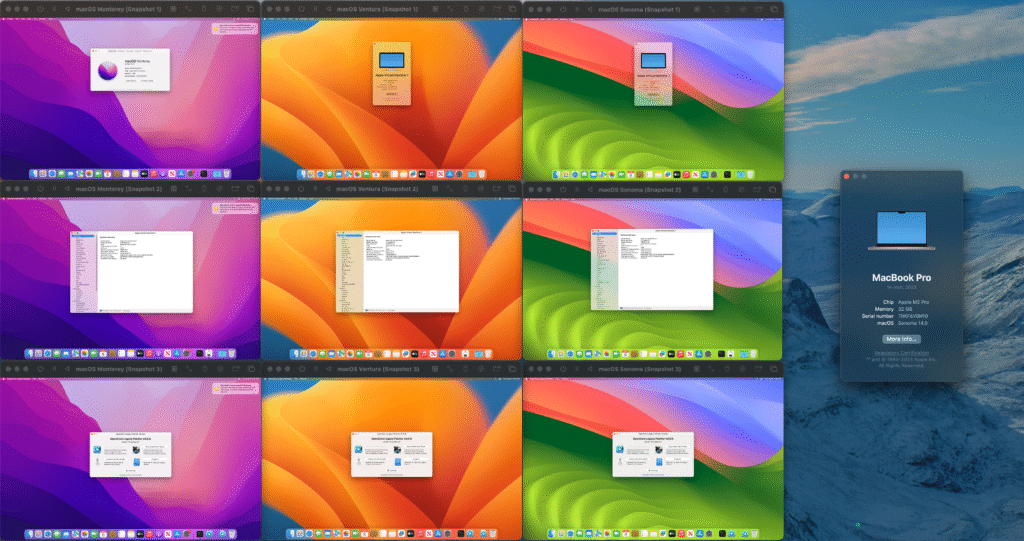
When Apple introduced the Virtualization framework in macOS Big Sur alongside the launch of Apple Silicon, it fundamentally transformed how enterprises approach macOS virtualization. Unlike traditional third-party hypervisors that operate as software layers atop the operating system, Apple’s native virtualization leverages hardware-accelerated capabilities built directly into the Apple Silicon architecture and deeply integrated with macOS

Apple Native Virtualization: The Enterprise Guide to Built-In VM Capabilities Read More »

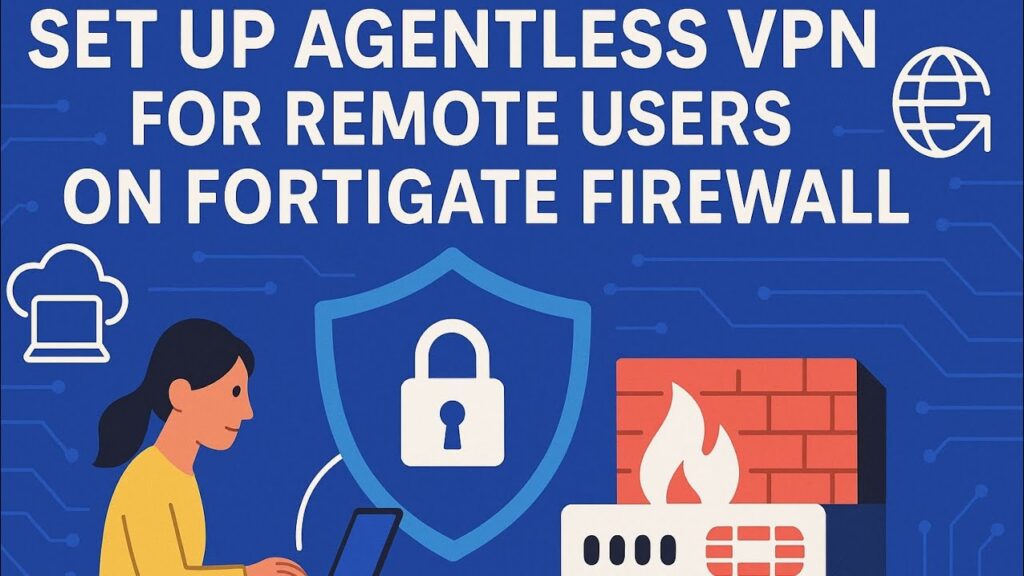
Configuration Guide: Configuring FortiGate Agentless VPN and Deploying Through MDM Solutions

Introduction In modern enterprise environments, providing secure remote access to corporate resources is essential. FortiGate firewalls offer robust VPN capabilities that can be deployed without requiring dedicated VPN client software through agentless VPN configurations. When combined with Mobile Device Management (MDM) solutions like VMware Workspace ONE and Microsoft Intune, organizations can automatically provision VPN configurations

Configuration Guide: Configuring FortiGate Agentless VPN and Deploying Through MDM Solutions Read More »

Comprehensive Guide: Health Check for Omnissa Workspace ONE – Ensuring Optimal Performance and Stability

In today’s dynamic enterprise environment, maintaining the optimal performance and stability of your digital workspace infrastructure is paramount. Omnissa Workspace ONE, a cornerstone for many organizations’ End-User Computing (EUC) strategy, orchestrates device management, application delivery, and secure access. However, like any complex system, it requires regular oversight to ensure all components are functioning correctly and

Comprehensive Guide: Health Check for Omnissa Workspace ONE – Ensuring Optimal Performance and Stability Read More »

Implementation Guide: Microsoft 365 Copilot with Security and Compliance

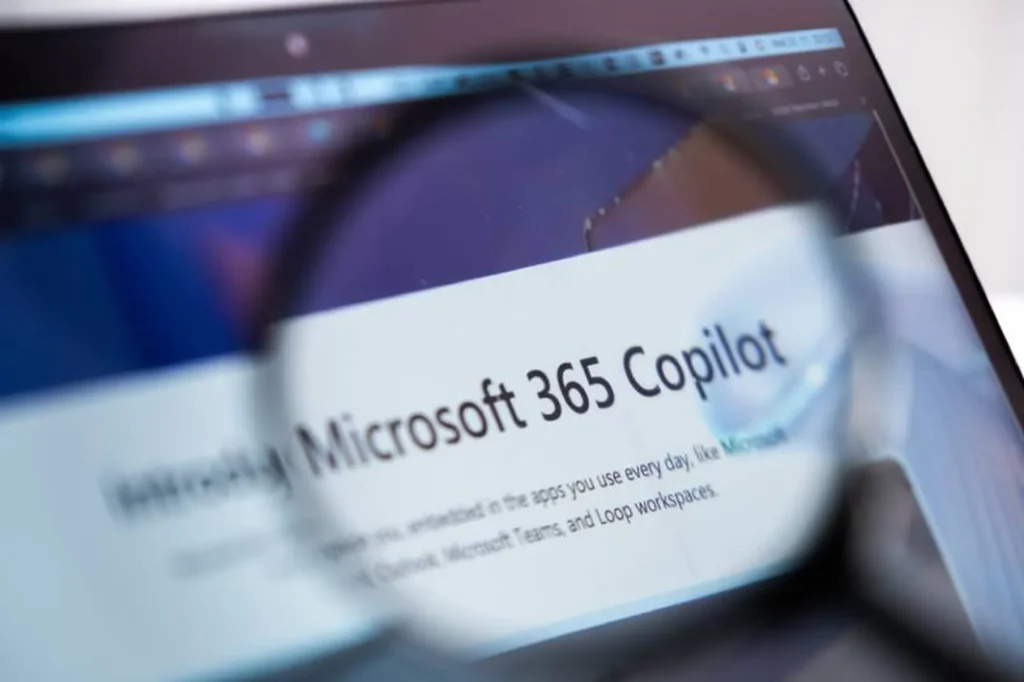
Introduction After implementing Microsoft 365 Copilot across dozens of enterprise environments over the past year, I’ve gained valuable insights into how this AI-powered productivity platform can transform business operations while maintaining security and compliance requirements. Copilot represents a significant advancement in workplace AI, but successful enterprise deployment requires careful consideration of data governance, security controls,

Implementation Guide: Microsoft 365 Copilot with Security and Compliance Read More »

Use Case: Apple Vision Pro in Enterprise Environments – Real-World Implementation and Lessons Learned

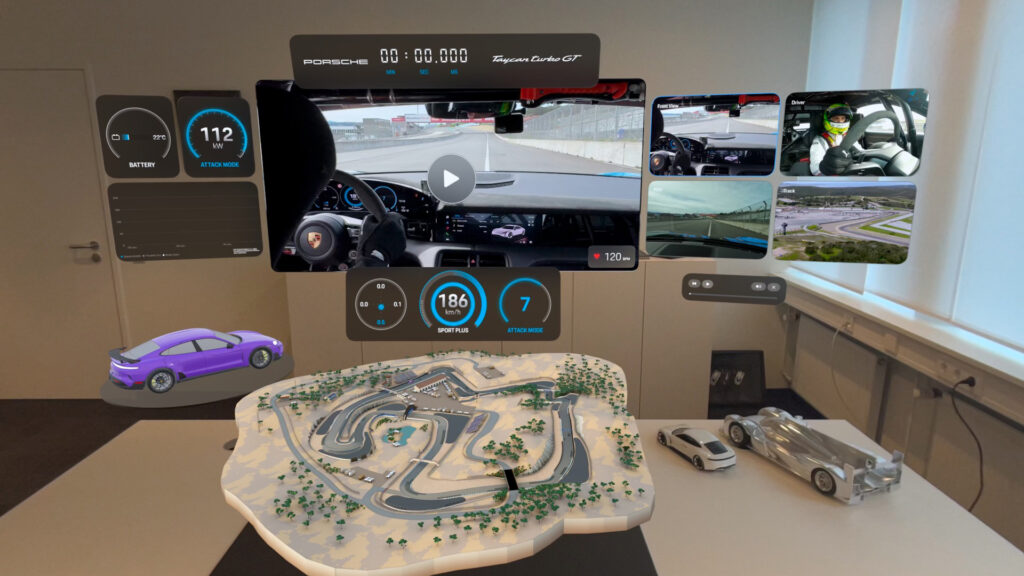
Introduction After evaluating and piloting Apple Vision Pro deployments across multiple enterprise environments over the past year, I’ve gained valuable insights into how this revolutionary spatial computing platform can transform business operations. While Vision Pro represents a significant leap forward in mixed reality technology, successful enterprise deployment requires careful consideration of use cases, infrastructure requirements,

Use Case: Apple Vision Pro in Enterprise Environments – Real-World Implementation and Lessons Learned Read More »

Use Case: Architecting a Disaster Recovery Plan for Horizon on VMware Cloud on AWS

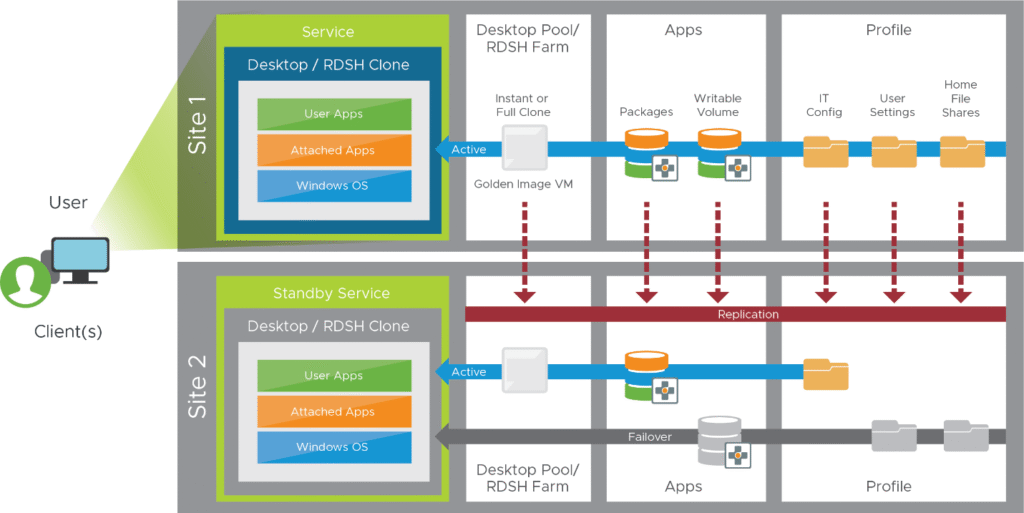
Introduction After architecting disaster recovery solutions for VMware Horizon deployments across dozens of organizations, I’ve learned that successful DR planning requires more than just technical implementation—it demands a comprehensive understanding of business requirements, recovery objectives, and the unique challenges of virtual desktop infrastructure in cloud environments. In this comprehensive use case, I’ll walk you through

Use Case: Architecting a Disaster Recovery Plan for Horizon on VMware Cloud on AWS Read More »